




bumblebeekid.co.uk

At Bumblebee Publishing House, we believe that everyone has something to say… our vision is based on the idea that every person has a unique and valuable voice, and that their stories deserve to be shared and heard.
At Bumblebee Kids, we want all of our stories, tales, and projects to reach the youngest readers and turn them into Bumblebee Kids.

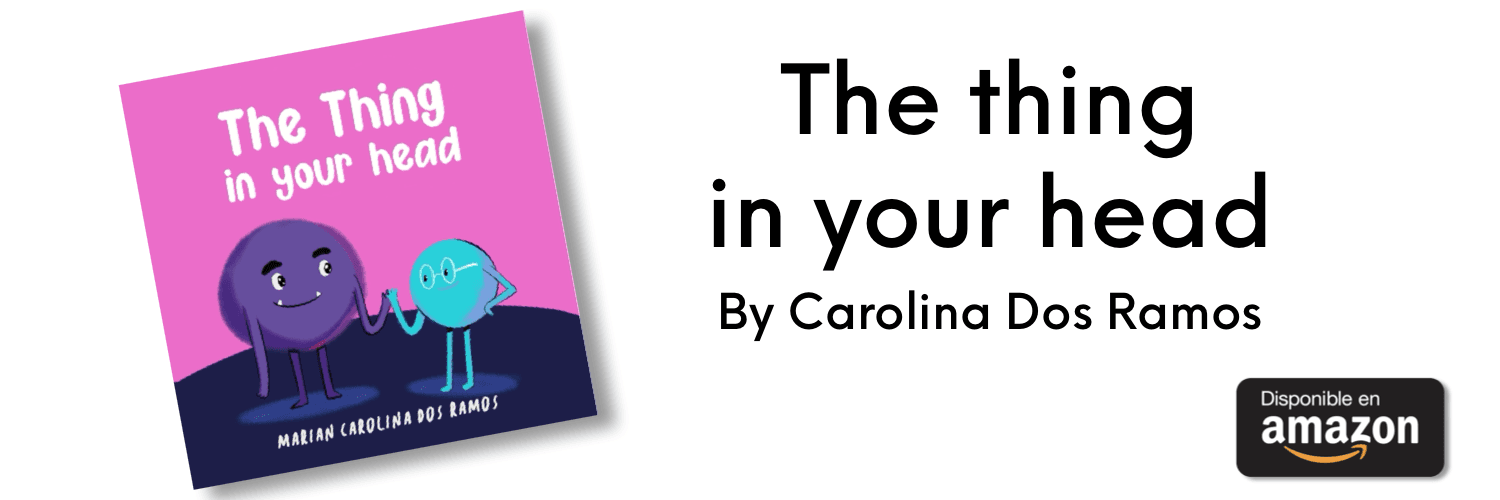
And one day The Thing realised that it did not know who it was or where it was… When suddenly it bumped into The Intuition, who will be its friend on the path to self-discovery. A story book to reflect and teaches us about self-knowledge, self-love and love that connects us with our essence and makes us shine.

No KYC Casino PayPal UK: The Bare‑Bones Truth About Skipping the Identity Circus

No KYC Casino PayPal UK: The Bare‑Bones Truth About Skipping the Identity Circus

Why the “no KYC” hype is just another cheap marketing ploy

Forget the glossy banners that promise “instant verification”. The reality is a load of paperwork disguised as a convenience boost. Players who stumble into a no KYC casino with PayPal as their preferred wallet often think they’ve found a loophole, but what they really discover is a thin veneer over the same old risk controls. PayPal’s own compliance team still demands proof of identity somewhere down the line, even if the casino pretends otherwise. The “no KYC” label is merely a hook to lure cash‑hungry folk who are too lazy to dig through terms and conditions.

Take a look at how Betway and LeoVegas handle this. Both platforms display a big, bold badge stating “No KYC Required for PayPal Deposits”. Click through a few pages and you’ll see the same clause: “Verification may be requested at any time”. In practice, once you try to cash out more than a modest sum, the request swoops in like a bad smell in a cheap motel after a fresh coat of paint. You’re forced to submit a scan of your passport, utility bill, and a selfie – the whole circus you thought you were avoiding.

And then there’s the paradox of speed. A player can spin Starburst or Gonzo’s Quest at breakneck pace, feeling the adrenaline of high volatility, yet the withdrawal process crawls slower than a snail on a treadmill. The slot’s rapid reel action masks the sluggish back‑office checks that kick in the moment the balance tips beyond the “no verification” threshold.

How PayPal’s own policies intersect with “no KYC” offers

PayPal isn’t a charity that hands out free money. Its user agreement expressly states that any account used for gambling must comply with local regulations, which include anti‑money‑laundering checks. When a casino advertises “no KYC” while still accepting PayPal, it’s essentially betting on the fact that most casual players never breach the low‑deposit ceiling. The moment they do, the platform flags the activity, and the user is handed a compliance form that looks like a tax return for a hamster.

A typical scenario plays out like this: You sign up, deposit £20 with PayPal, and chase a modest win on a slot like Book of Dead. Your balance balloons to £150. You hit the withdraw button, and PayPal pauses the transaction, citing “unverified activity”. The casino, still shouting about its “no KYC” badge, is suddenly forced to forward the request to PayPal’s compliance team, which will demand the same documents the casino pretended to ignore. The whole experience feels like being promised a “VIP” suite only to be shown a broom closet.

The irony deepens when you consider that some “no KYC” sites actually outsource verification to third‑party services that charge a fee. So the player saves nothing, and the casino pockets an extra cut. It’s the classic “free” lollipop at the dentist – you get a sugar rush before the inevitable drill.

Practical checklist for the sceptical gambler

  • Read the fine print on deposit limits – most “no KYC” offers cap you at £50 or £100 before verification is unavoidable.
  • Test the withdrawal speed with a tiny amount first; if a £5 cash‑out takes more than 48 hours, expect the same or worse for larger sums.
  • Verify that the casino’s licence is from a reputable jurisdiction – a UKGC licence carries more weight than a dubious offshore one.
  • Check whether the site uses a reputable payment processor besides PayPal; the more providers, the more likely you’ll hit a verification wall.
  • Beware of “gift” bonuses that require you to wager 30‑40 times your deposit – they’re just a way to keep your money on the site longer.

When you finally sit down with a balance that looks tempting, the withdrawal queue appears. You click, you wait, you receive a polite email that your request is “under review”. The email mentions “compliance checks” but never clarifies how long the process will take. Meanwhile, the casino’s live chat is staffed by bots that repeat the same scripted apology. The whole operation feels as entertaining as watching paint dry on a wall that’s supposed to be a “premium” feature.

And don’t forget the small print that most players skip. A clause buried deep in the terms will state that PayPal transactions over a certain threshold will be processed “subject to additional verification”. The wording is deliberately vague, giving the operator leeway to stall or deny withdrawals without breaching any explicit rule. It’s the kind of subtle cruelty that makes you wonder why anyone would trust a brand that markets itself with flash‑filled banners while hiding the nasty bits in footnotes.

The whole “no KYC” narrative also feeds into a false sense of security. Players assume that if a casino doesn’t ask for ID up front, they’re somehow protected from fraud. In truth, the lack of early verification simply postpones the point at which the system can protect you. If a fraudster creates a fake account, the casino’s lazy “no KYC” policy makes it easier for them to launder money until the eventual check catches them – and you’re caught in the crossfire.

Finally, the user experience often suffers from the same lazy design that birthed the “no KYC” claim. The withdrawal page is cluttered with tiny fonts, ambiguous icons, and an unreadable colour contrast that would make a colour‑blind person weep. It’s as if the developers decided that the UI should be as unwelcoming as the actual verification process.

And that’s the last thing I’ll say about the UI – the font size on the withdrawal confirmation button is so minuscule you need a magnifying glass just to click it.

Shopping Basket